Jewelry and watches occupy a strange middle ground among the objects this site covers: they are worn on a body rather than hung on a wall or set on a shelf, they are handed down within families more often than almost anything else in an estate, and they are nearly always made from materials that carry a value entirely separate from whatever design or craftsmanship went into shaping them, such as gold, silver, platinum, and precious or semi-precious stones. This section covers estate and antique jewelry spanning roughly the Georgian, Victorian, Edwardian and Art Deco periods, designer pieces attributable to a known house or workshop, and mechanical watches from the pocket-watch era through early wristwatches, treating all three as objects worth understanding on their own terms rather than as a stand-in for a metal price.
Marking systems are where that understanding usually has to start, because a piece of jewelry or a watch case is small and dense with information once someone knows where to look. Gold is stamped by karat or by decimal fineness, silver by a purity number or a historic hallmark system, platinum by its own set of marks, and in countries with an independent assay tradition, an outside office's mark can confirm a metal claim the way a maker's own stamp cannot. What those marks certify and what they leave completely unaddressed is a distinction worth understanding before anything else, and it is the subject of this section's article on reading jewelry hallmarks.
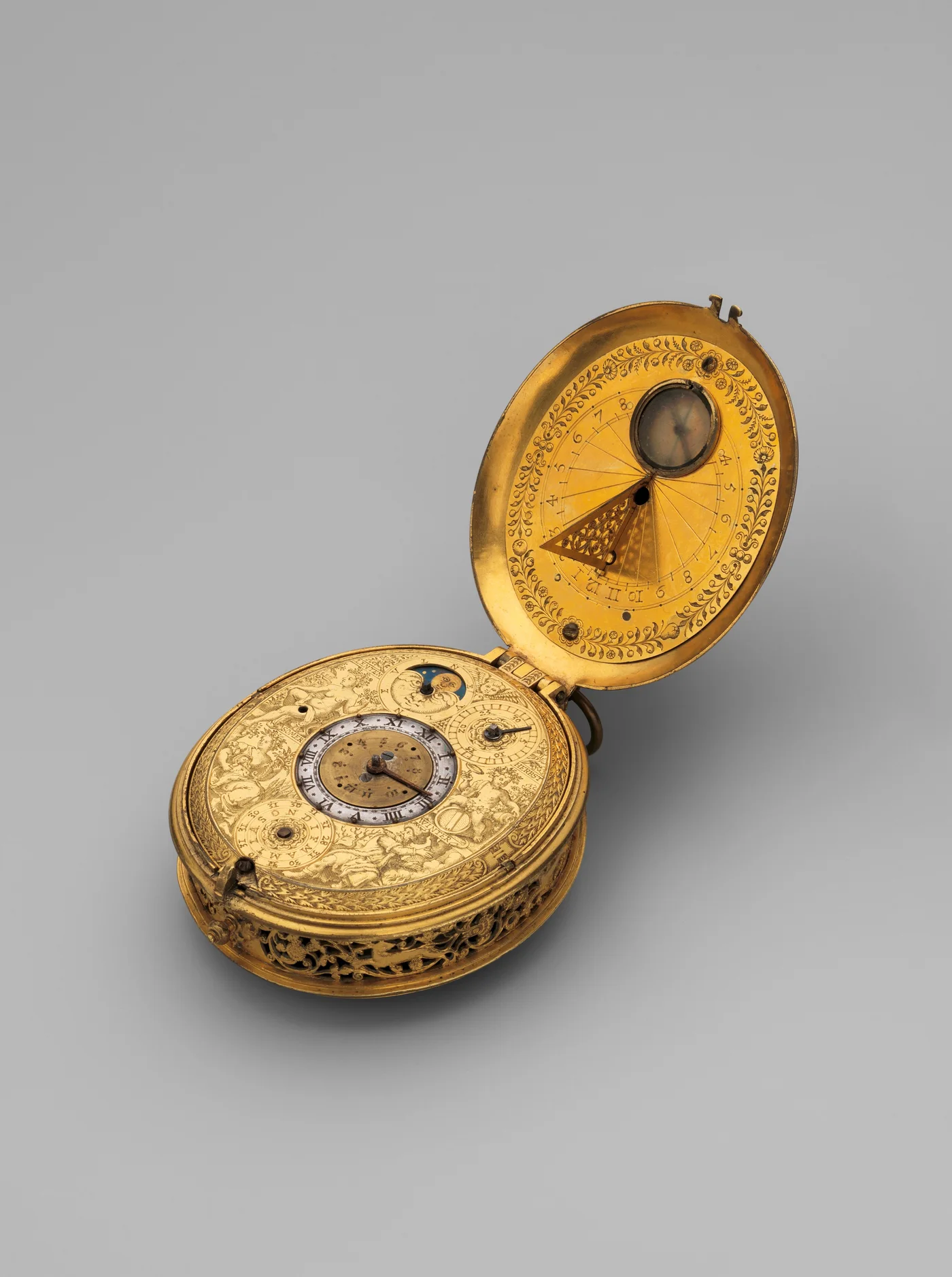
Watches add a second layer that jewelry alone does not: a working mechanism housed inside a case. In a great many antique examples that case is a decorative object in its own right. Engine-turned patterns cut by a rose engine or straight-line engine turn a watch case or cuvette into a small piece of relief work, and so do hand-engraved scrollwork, monograms and scenes cut freehand with a graver. Both come from exactly the kind of cutting-into-hardened-metal craft that also produces a struck coin's design, just worked at a different scale and for a different purpose. The article on the artistry of antique engraved watches goes into that craft in detail, including how it compares to the die-engraving process covered elsewhere on this site.
Antique, vintage and designer are three different claims about a piece, and this section keeps them separate rather than treating them as interchangeable praise. Antique generally means an object old enough to predate its own century's midpoint by a wide margin, often hand-fabricated using techniques a modern workshop would rarely bother with today. Designer means the piece is attributable to a specific fashion house or working jeweler through a maker's mark, a signed design or documented sale records, which is a claim about authorship rather than age. Vintage sits between the two, old enough to reflect a clear period style but not necessarily old enough to count as antique in the stricter sense. A piece can be any one of these without being the other two, and conflating them is a common source of confusion when a collection changes hands.
A large share of this section's readers arrive because a family member's jewelry box or watch drawer has become their responsibility, usually without warning and usually without an inventory. That situation calls for documentation before anything else: photographs, any paperwork that survived with the piece, a careful read of whatever marks are present, and an honest look at whether a given item is likely closer to scrap-metal value or to something a specialist in that maker or period would recognize as collectible. The article on selling inherited jewelry and watches works through that documentation process directly, along with when a general appraiser is enough and when the piece calls for someone who specializes in the maker, period or mechanism involved.
Together, the three articles below approach jewelry and watches from three different angles: how to read what a piece's own marks are telling you, how to recognize the engraving and case craft that separates an ordinary antique watch from a genuinely fine one, and how to handle a piece responsibly once it becomes part of a family's estate. The Spoke Review covers all three together, since a reader who has just inherited a jewelry box or a watch drawer is rarely dealing with only one of these questions at a time.