What to Do After Inheriting a Collection
The first week, in practical order: securing the space, a basic inventory, and the decisions that can genuinely wait until later.
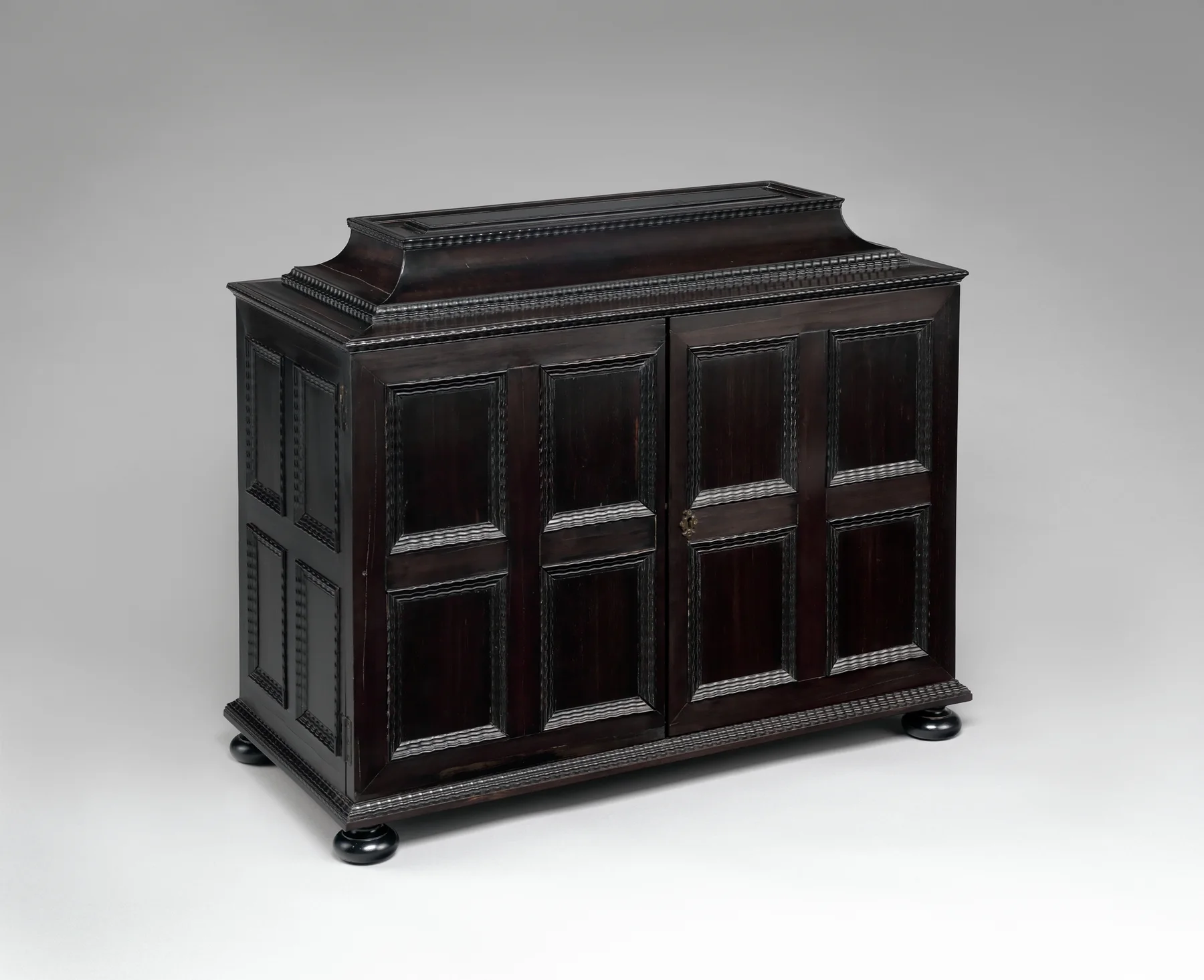
Estate Collections is the section of this site where the other four meet. Fine Art, Antiques, Coins & Currency and Jewelry & Watches each cover a distinct category of object, but a real estate rarely respects those boundaries: a family clearing a house typically finds a few paintings, a cabinet of flatware, an old coin album, and a jewelry box all in the same afternoon, all inherited at once, and all needing the same first questions answered before any of the category-specific guidance elsewhere on this site becomes useful. This section exists explicitly to tie fine art, antiques, coins and jewelry together through that shared inheritance lens rather than to add a sixth kind of object to collect. That lens is the practical and emotional work of taking responsibility for a collection someone else built.
Most readers arrive here in the middle of something difficult. A parent, a grandparent, or another relative has died, or is moving into care and downsizing a home that has not been sorted in decades, and the collection in question was never meant to be evaluated on any particular timeline. That context shapes everything this section covers. There is no countdown here, no pressure to decide anything quickly, and no assumption that every object will or should eventually be sold. The five articles below are written for someone who needs calm, concrete guidance right now, not a pitch toward any particular outcome.
Think of this section as the connective tissue between the other four. A painting found rolled in a closet raises the same first questions covered in Fine Art, but also the broader estate questions covered here: who else in the family has a claim on it, what paperwork exists to establish where it came from, and what happens to it alongside the coin album and the jewelry box found in the same house. A set of inherited silver flatware sits inside Antiques on its own terms of reading maker's marks and understanding age and condition, and inside this section on the different terms of an estate, alongside everything else that arrived with it on the same day. Estate Collections is not a rival category to those four; it is the situation that brings all four of them into a single room at once, and this section is written for that specific moment.
The first article covers what to do after inheriting a collection: the practical first week of securing the space, taking a basic inventory, and resisting the urge to clean, sell or discard anything before it has been properly looked at. That last point matters enough to have its own article. What not to clean in an inherited collection is by a wide margin the single most damage-preventing piece of guidance on this site, because the instinct to tidy up an inherited coin album, a set of silver, a painting, or a box of old letters is one of the fastest ways to permanently reduce what any of those objects are worth, in every sense of that word.
Once a collection has been secured and left alone, two further questions tend to follow, and this section addresses both without pushing toward a particular answer to either. How auction houses evaluate mixed collections walks through the general method a consignor encounters when a mixed collection goes to auction: lotting, specialist review, estimates and reserves, described as a process rather than a promise. How to document provenance for an estate covers the photographs, paperwork and family history worth gathering now, while relatives who remember where an object came from are still around to ask. Neither article assumes the collection is headed toward a sale; both are useful whether the eventual plan is to sell, to divide the collection among family members, or simply to understand what has been inherited well enough to make that decision later.
The last article takes a step back from process entirely. Separating sentimental value from market value is a more reflective piece about the two different scales a family applies to the same object, often without realizing they are using two scales at all. It also covers why naming them separately tends to make the harder decisions easier rather than colder. The Spoke Review covers fine art, antiques, coins and jewelry individually elsewhere on the site; this section is the starting point for a reader who inherited all four at once in a single house.
The first week, in practical order: securing the space, a basic inventory, and the decisions that can genuinely wait until later.
Coins, silver, paintings and paper and ephemera each fail differently under a well-meant cleaning attempt, and each needs its own caution.
Lotting, specialist review, estimates, reserves and consignment terms, described as a general method rather than a specific promise.
Photographs, receipts, family history, prior appraisals and chain of custody, gathered while they can still be verified.
Why the two scales get confused inside a family, and how naming them separately makes the harder decisions clearer.