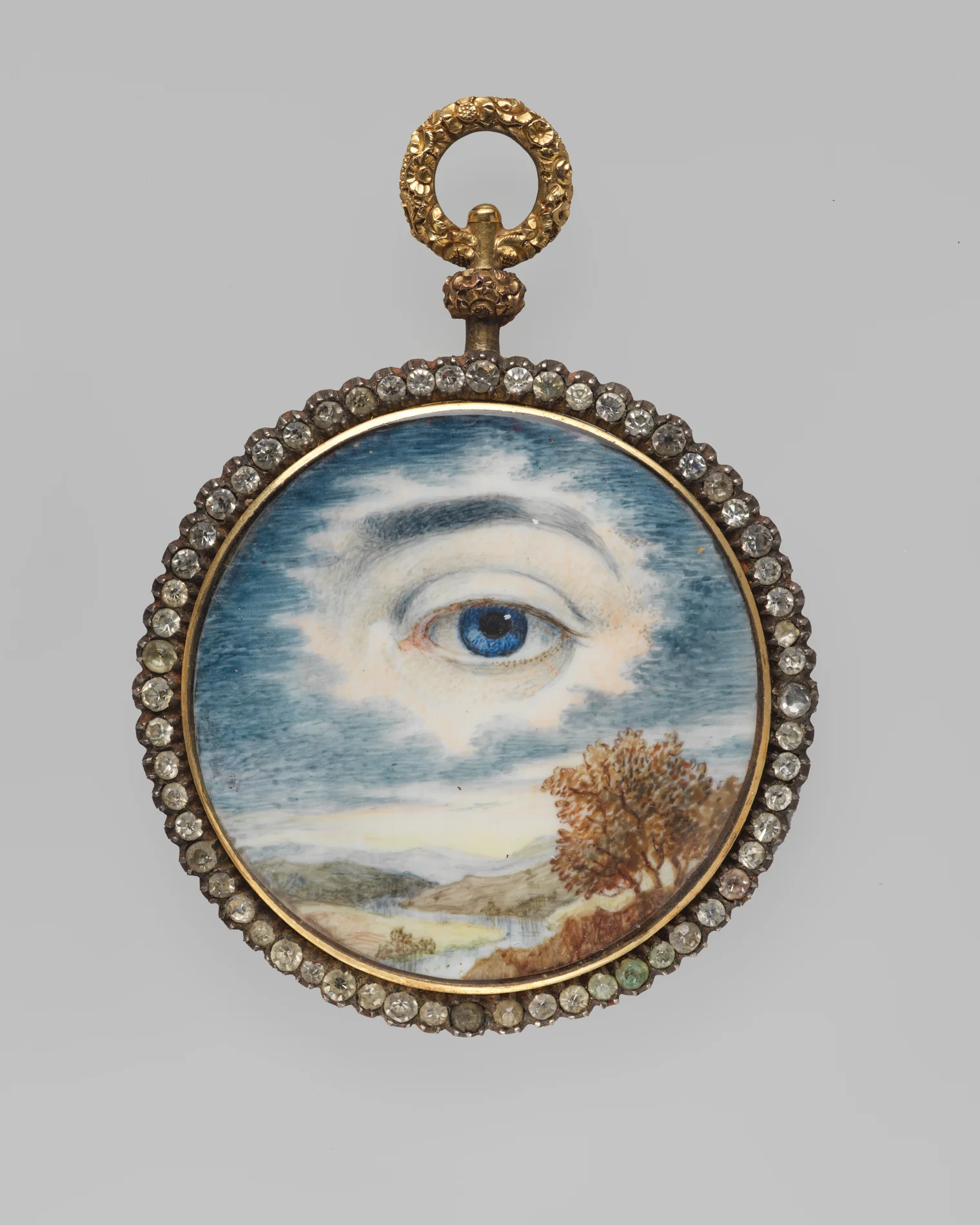
Every object in an inherited collection carries two separate measures at once, and the trouble usually starts because they get treated as one. Market value is external: what a given object would bring from a buyer who has no particular attachment to it, assessed against comparable sales, condition, and demand. Sentimental value is entirely internal, specific to a single family and often to a single person within it, built out of memory rather than comparison. A wristwatch worn every day for forty years and a wristwatch that spent those same forty years in a drawer can carry identical market value and wildly different sentimental value, and neither number tells you anything about the other.
The confusion tends to surface in two opposite directions. Sometimes a family keeps an object of real market value out of a sense that selling it would be a betrayal, when the person who owned it might have been perfectly happy to see it sold and the proceeds put to use by the people they left behind. Other times, an object with almost no market value at all gets dismissed too quickly precisely because someone is looking only at what a stranger would pay for it, missing that its actual worth to the family was never going to show up on that scale in the first place. A costume ring, a handwritten recipe card or a chipped ceramic dish can all fall into that trap. Both mistakes come from the same root: treating one measure as though it answers the question the other measure is actually asking.
Sentimental value also has a way of shifting once the person who created it is gone. An object can feel ordinary while its owner is alive, worn or used so routinely that no one thinks much about it. It can suddenly feel irreplaceable once it becomes the last thing of theirs still in daily use by anyone. The reverse happens too: something that seemed important to preserve in the immediate aftermath of a loss can turn out a year or two later to matter less than it did in that first raw week. Neither reaction is wrong, and neither one needs to be treated as final on the spot. When it is possible, giving a decision about a specific object some distance from the moment of loss tends to produce a clearer answer about which category it genuinely belongs in, or whether it belongs in both.
This matters most acutely when a collection has to be divided among several people, because sentimental value is not just personal, it is also unevenly distributed. One sibling may have strong memories attached to a particular painting that means nothing in particular to another, while that second sibling holds the equivalent attachment to something else entirely, such as a set of tools, a piece of furniture, or an ordinary-looking clock. A division based purely on appraised market value splits everything so the dollar totals come out even, and it can leave everyone with a fair share and no one with the specific things that actually mattered to them. A division based purely on who wants what the most can create a different kind of resentment later, if no attention goes to market value at all and one person's share turns out to have been worth substantially more than another's without anybody noticing until afterward.
Naming both values separately and out loud before dividing anything tends to defuse a surprising amount of this. It sounds simple, almost too simple to matter, but going through a collection and asking two distinct questions about each object gives a family two different, comparable lists to work from instead of one blended, contested impression of what everything is "worth." The two questions are simple: roughly what would this bring from someone outside the family, and does anyone here have a specific personal connection to it? An object can score high on one list and low on the other, or high on both, or low on both, and seeing that laid out plainly is usually more useful than any single combined number could be. It also gives people permission to ask for something specifically because it matters to them personally, without having to justify that request in market terms at all, which is often the conversation families most need to have and least know how to start.
None of this requires resolving every object at once, and it does not require choosing a side between the two measures, since neither one is more correct than the other. Recording, documenting and physically leaving a collection undisturbed is the groundwork covered elsewhere in this section. Doing it gives a family the room to have this conversation deliberately rather than under pressure. Jewelry in particular tends to sit at the center of exactly this tension, worn daily, deeply personal, and often carrying real market value at the same time.Selling inherited jewelry and watches looks closely at that specific situation, including when a piece calls for a specialist rather than a general appraiser. This article sits inside the wider process Estate Collections lays out for a family handling several kinds of inherited object at once, not only jewelry.