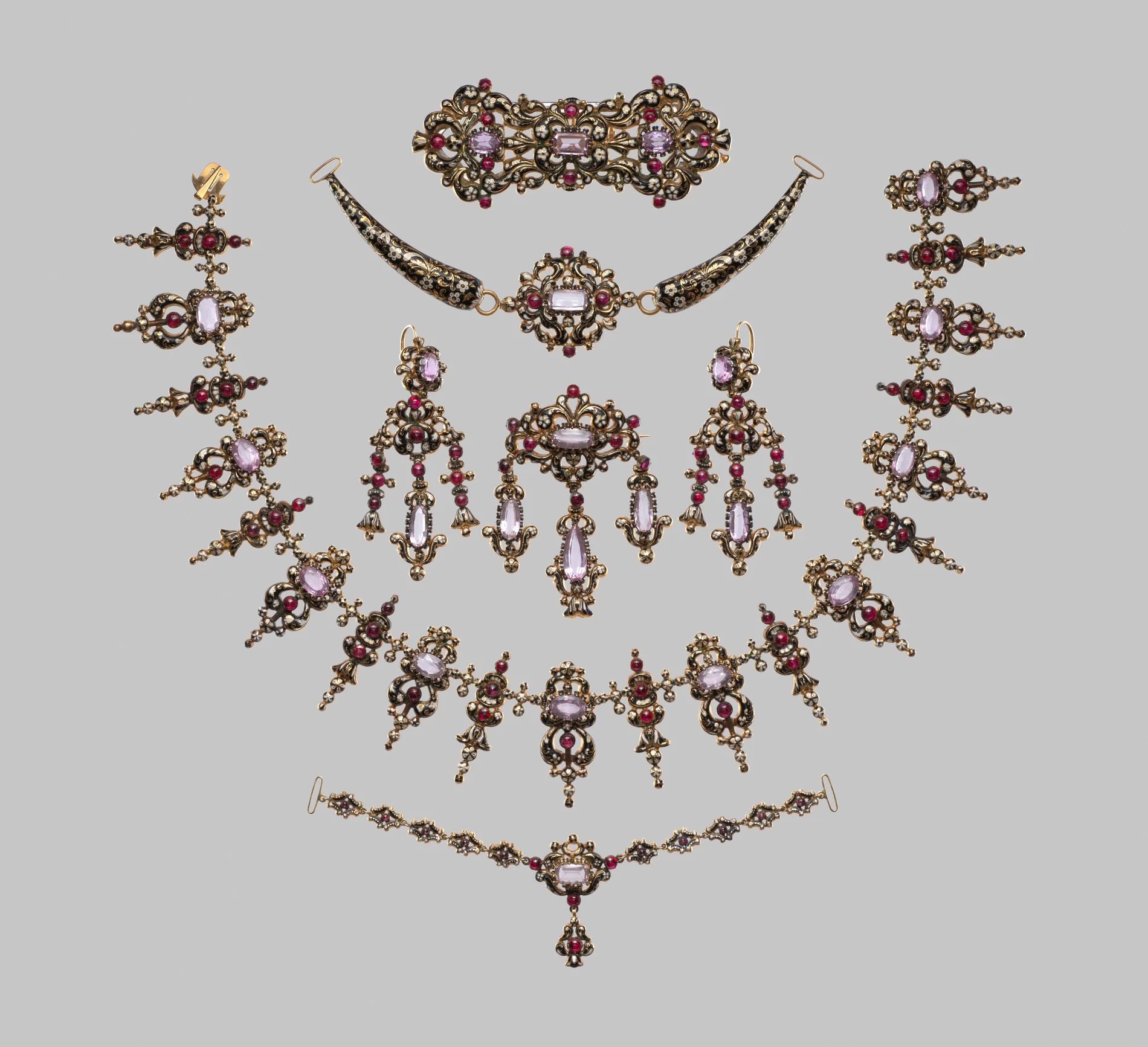
Jewelry and watches inherited from a family member usually arrive with almost no supporting information: no receipt, no appraisal, and often no clear memory of where a particular piece came from or how old it actually is. Before any conversation about a piece's future takes place, whether that conversation is with an appraiser, an insurer, or simply among family members deciding what happens next, a short documentation process protects everyone involved and produces a record that cannot be recreated later if a piece is altered, cleaned, or separated from the rest of the collection.
What to Document First
Photograph every piece from multiple angles and close enough to capture any mark, engraving or inscription clearly, before doing anything else to it, including any cleaning, adjustment or repair. Record every hallmark, purity stamp, maker's mark or serial number exactly as it appears, since these marks are frequently small enough to be misread from memory later, and photograph them separately with a scale or a coin nearby for size reference if a macro photograph is not available. Note where and with whom each piece was stored, and gather any paperwork that happens to have survived alongside it: a repair receipt, an insurance rider, a box or pouch bearing a jeweler's or retailer's name, a prior appraisal of any age. None of this requires special equipment, and all of it becomes far harder to reconstruct once pieces have been separated, cleaned, or redistributed among family members.
Condition notes belong alongside the photographs, written down rather than left to memory. Whether a watch currently runs, keeps reasonable time, or has sat stopped for years matters to anyone who later assesses it, as does whether a piece is missing a stone, a clasp, or a case back, or shows an obvious repair such as a resized ring shank or a replaced watch crystal. A short written note next to each photograph captures details that are easy to notice in the moment and easy to forget once several dozen pieces have been through the same process, provided it is written at the same time the piece is first documented.
Weighing a piece and noting its approximate dimensions is also worth doing at this stage, using a standard kitchen or postal scale for a rough figure even without a jeweler's precision scale on hand. Combined with any purity mark already recorded, that weight becomes useful later when distinguishing a piece's base metal content from whatever additional value its design, maker or condition might carry.
Scrap-Metal Value Versus Collectible or Designer Value
These are two genuinely different figures, arrived at through two different kinds of assessment, and confusing them leads to the two most common mistakes in this area: treating a genuinely significant piece as ordinary scrap, or expecting scrap-level material to command a collectible premium it has no real basis for. Scrap-metal value is based almost entirely on weight and purity, meaning what the precious metal itself contains. That figure is calculated against the current market price for that metal with no meaningful credit for design, maker, condition or age. Nearly any piece has a scrap-metal value, because nearly any piece contains some amount of identifiable precious metal, even if a stone has been removed or a mechanism no longer runs.
Collectible or designer value depends on an entirely different set of factors: attribution to a documented maker or fashion house, the period and style a piece represents, its condition relative to comparable examples, and demand within the specific collecting area a piece belongs to. A piece can have very little scrap value and still carry real collectible value if it represents a documented, sought-after period or maker. A base metal or gold-filled watch case is one example. The reverse is equally common: a piece with substantial precious-metal content but no distinguishing design, damaged condition, or missing stones may be worth close to its scrap value and nothing meaningfully above it. Determining which situation applies to a specific piece is exactly the kind of judgment that depends on training and access to reference material a family typically does not have on hand, which is why the documentation described above matters: it gives whoever eventually assesses the piece something concrete to work from.
When a Piece Needs a Specialist
A general appraiser is trained broadly across jewelry and watches and can reliably assess common material: modern gold jewelry, standard diamond and gemstone settings, and watches from well-documented, widely produced lines. A piece calls for a narrower specialist instead when it shows signs of being unusual rather than typical: a maker's mark tied to a specific historical workshop or fashion house rather than a generic manufacturer, a mechanism or complication in a watch that a general appraiser does not routinely encounter, a gemstone that appears to be unusually large, unusually colored, or otherwise outside the ordinary range a general appraiser handles day to day, or a period of manufacture that calls for expertise in period-specific construction techniques and materials, as Georgian jewelry and early pocket watch movements do. In any of these situations, a specialist familiar with that specific maker, period, or mechanism is positioned to assess the piece far more accurately than a general appraiser working outside their usual range.
Documentation is the connecting thread through all of this, and it matters well beyond jewelry and watches specifically. How to document provenance for an estate works through the same photograph-record-and-preserve process for an entire estate rather than a single jewelry box, covering the family history and chain-of-custody details that matter across every category this site covers. Photograph, weigh and record every mark first; keep scrap weight and collectible standing sorted as the distinct measures they are; call in a specialist once a piece looks unusual. That order holds for everything Jewelry & Watches covers, not only for a piece a family is weighing what to do with next.