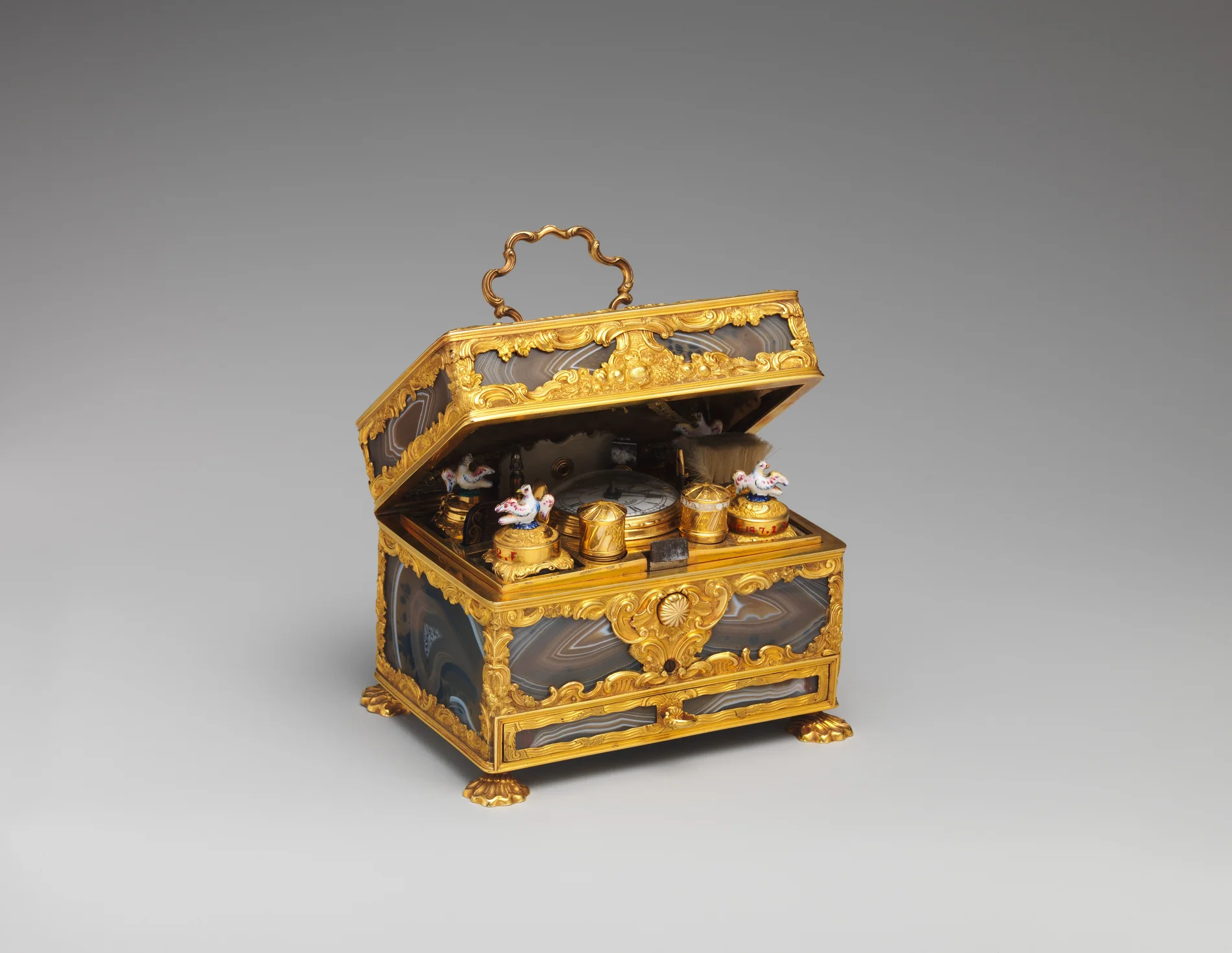
A mixed estate collection might include a few paintings, some silver, a coin album and a jewelry box, all inherited together. That mixture presents a genuinely different evaluation problem than a single-category collection does, because no one specialist covers all of it. The general method an auction house uses to work through a collection like this can be described without reference to any particular business's specific practices or pricing. Understanding it helps set realistic expectations for anyone considering that route, and makes the individual steps far less opaque than they can seem from the outside.
Cataloguing and Lotting
The first stage is simply sorting through what exists and deciding how it will be grouped for sale, a process generally called lotting. A signed painting, a rare coin, or any other single object of meaningful individual value typically becomes its own lot, sold on its own with its own catalogue entry and its own estimate. Lower-value items are more often grouped together into a single lot and sold as one unit rather than piece by piece, since cataloguing and marketing each item individually would cost more in staff time than the items are likely to bring in as a group. Such a lot might be a box of miscellaneous costume jewelry or a set of everyday flatware. Which approach applies to a given object depends on its apparent category, condition and value tier relative to the rest of the collection, a judgment made during this initial sorting pass before any formal evaluation happens.
Specialist Review by Category
Once sorted, different categories of object are typically reviewed by different specialists within the house: a paintings department looking at artwork, a separate silver or decorative arts specialist reviewing metalwork, and a numismatic specialist assessing coins. Each applies the expertise, reference material and comparable sales data specific to that category. This division is exactly why a mixed collection benefits from being left intact and undisturbed until it reaches this stage, discussed elsewhere on this site in the context of what not to clean in an inherited collection before it has been seen: a specialist reviewing an object in its original, unaltered condition can assess it far more accurately than one reviewing something that has already been cleaned, repaired, or otherwise changed by well-meaning handling.
Estimates
After review, each lot generally receives an estimate, a price range the specialist believes the lot is likely to achieve based on the object's condition, attribution, rarity, and recent comparable sales of similar material. An estimate is not a guarantee of what a lot will actually sell for; it is a professional judgment about a likely range, and actual results can land above, below, or anywhere within that range depending on who is bidding on a given day. Estimates for different objects within the same collection can vary enormously even when the objects seem superficially similar, since attribution, condition and documented history matter far more to an estimate than surface appearance alone.
Reserves
A reserve is a confidential minimum price below which a lot will not be sold. It is agreed between the consignor and the auction house before the sale. Reserves are typically set in relation to the low end of a lot's estimate rather than as an arbitrary figure, and exist to protect a consignor from a lot selling for far less than its assessed value on a day with unusually low interest. Not every lot carries a reserve; low-value or grouped lots are frequently sold without one, since the cost and complexity of setting a reserve does not make sense relative to the lot's value.
Sale Timing and the Auction Calendar
A mixed collection does not typically go under the hammer all at once, or even in one sale. Because different categories are reviewed by different specialists working from their own calendars, a painting might be scheduled into an upcoming fine art sale while a coin album from the same estate waits for the next numismatic sale, which could fall weeks or months later. This staggered timeline is normal and is not a sign that anything has gone wrong with slower categories; specialty sales are simply scheduled around when a house has gathered enough comparable material to run a focused sale that attracts the right buyers for that category. A family expecting a single settlement date for an entire mixed estate should plan for this reality from the outset rather than being surprised by it partway through.
Consignment Terms
Consigning a collection to auction generally involves a written agreement covering a commission structure deducted from the final sale price, along with any additional fees for services such as insurance while the property is in the auction house's care, photography, or catalogue listing. Terms vary between auction houses and between collections, and a consignor should expect to review and understand the specific commission rate, fee structure and payment timeline in writing before agreeing to anything, rather than relying on a general description like this one for the actual figures that will apply to a specific collection. Unsold lots are typically returned to the consignor after the sale, sometimes with the option to try again in a future auction. Whatever the specific written agreement says governs that step as well.
Consignment agreements also generally address what happens if a specialist's initial review turns up something unexpected once a piece is examined more closely than a first walkthrough allowed, a maker's mark that changes an attribution, or a repair that was not visible until the object was handled under proper light. A written agreement worth signing spells out how that kind of revised finding gets communicated back to the consignor and whether it changes the estimate, the lotting plan, or both, rather than leaving that step informal.
Auction is only one of the routes a mixed collection can take, and it is not automatically the right one for every object or every family. Auction versus private sale: what to know lays out that broader comparison directly. Whichever path a family eventually considers, the process described above only works well when a collection reaches it intact and undisturbed, which is exactly the case Estate Collectionsmakes throughout this section, from the first days after inheriting a collection through to this stage.