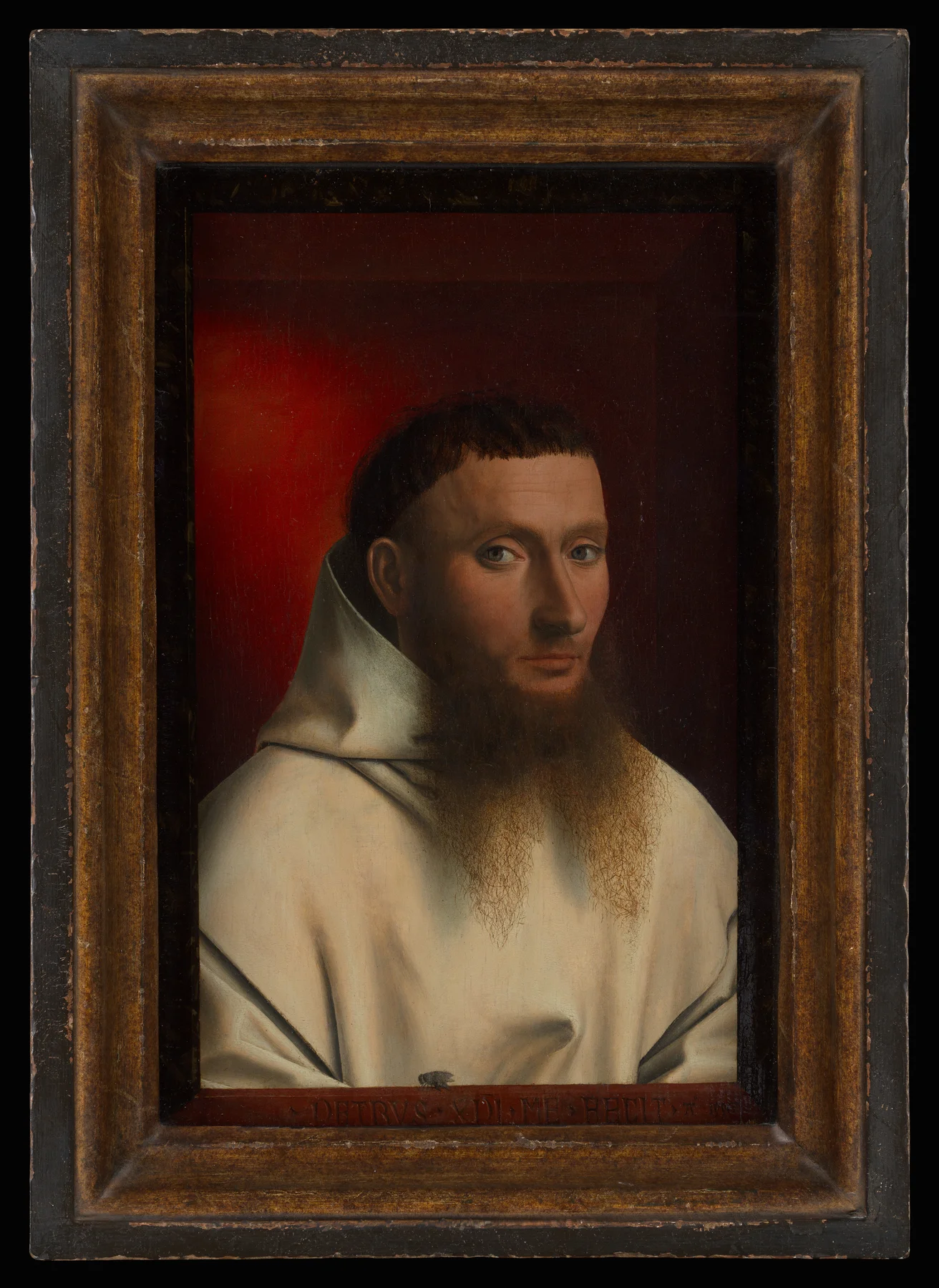
A signature is usually the first thing anyone looks for on a painting, and it is often treated as the whole answer. It is not. A signature is one small mark, applied in seconds to an object that may have taken weeks to make. Reading it correctly means knowing where and how artists actually signed their work across different media, and knowing that the signature itself is among the easiest details on a painting to imitate.
How Painters Signed Their Own Work
Most oil and acrylic paintings are signed directly in paint, typically in a lower corner, applied after the rest of the composition was finished and often in a color pulled from somewhere else in the canvas so it reads as part of the picture rather than a label stuck on top of it. Watercolors and works on paper follow the same habit but in a more fragile medium, which is part of why a signature on paper is more easily damaged, trimmed off entirely during an old reframing, or, less innocently, added later once the sheet has already aged.
Not every painter signed the front of the canvas at all. Signing on the reverse, on the stretcher bar, or on a label affixed to the back was common practice for many artists, particularly through the nineteenth and twentieth centuries, and a work with no visible signature on the front is not automatically unsigned or unattributed. This is one reason a conservator or specialist examining a painting will always turn it over before drawing any conclusion from the front alone; a family doing the same at home can learn a great deal before anyone else is even involved, provided they work carefully and leave the work in its frame.
Monograms and Studio Stamps
Many printmakers and painters used a monogram device in place of or alongside a full written signature: interlocking initials designed as a small emblem rather than handwriting. The practice goes back centuries and is well documented in print history, where a distinctive monogram let a printmaker mark an edition consistently across many impressions, which a full signature redrawn by hand each time could not do. A monogram is still a signature in function, and the same caution applies to it: consistency across an artist's documented body of work matters more than the mark looking plausible in isolation.
Sculpture adds a third kind of mark that painting rarely has: a foundry stamp. A bronze cast from an artist's model typically carries the foundry's own mark alongside the sculptor's signature, or sometimes in place of it, because casting is a separate craft performed by a specialist foundry rather than by the sculptor's own hand. Foundry marks also appear on posthumous casts, made after an artist's death from an original model or mold under an estate's authorization, which is a legitimate and disclosed practice in sculpture but changes how a piece should be described and valued compared with a cast made during the artist's lifetime.
Where Forgeries Most Often Go Wrong
A convincing signature is not the hardest part of faking a painting, which is exactly why examiners rarely stop there. Signatures on forged or misattributed works tend to fail in a few recurring ways: the lettering is more careful and more centered than the artist's genuine, fast-written signatures ever were, because a forger working slowly to get the shape right produces something too deliberate; the signature sits on top of a varnish layer that conservation analysis can show was applied years after the rest of the paint, meaning the mark was added later rather than at the time of painting; or the signature uses a paint or ink that was not commercially available during the period the work claims to be from, which pigment and materials analysis can detect even when the naked eye cannot.
None of this requires a laboratory to start noticing. A signature is worth treating as a question rather than an answer when it looks unusually crisp compared with the brushwork around it, or when it sits in a spot inconsistent with where an artist is documented to have signed elsewhere.
When a Signature Alone Is Not Enough
Formal authentication is the kind that affects a work's insurability and its standing in the market, and it rarely rests on a signature by itself. It draws on connoisseurship, meaning a specialist's trained comparison against an artist's known body of work; on materials analysis, which can date a canvas, panel or pigment against the period a work claims to be from; and on a catalogue raisonné where one exists, the scholarly published record of everything accepted as an artist's genuine output. A signature that matches all of that evidence is strong support. A signature that stands alone is just a mark when no other evidence points the same direction, and treating it as more than that is how misattributed work ends up changing hands at prices it cannot support.
Coins carry a version of this same problem in a harder material: a die engraver's initials or a mint mark are their own form of identifying mark, struck permanently into metal rather than brushed onto canvas, and how a coin design is engraved is worth reading alongside this article for how differently the same underlying question plays out once the mark cannot be added after the fact with a brush: who actually made this, and how do we know. For paintings, prints and sculpture generally, this site's Fine Art coverage covers treating a signature as one piece of evidence among several; that is the more reliable habit than treating it as proof on its own.