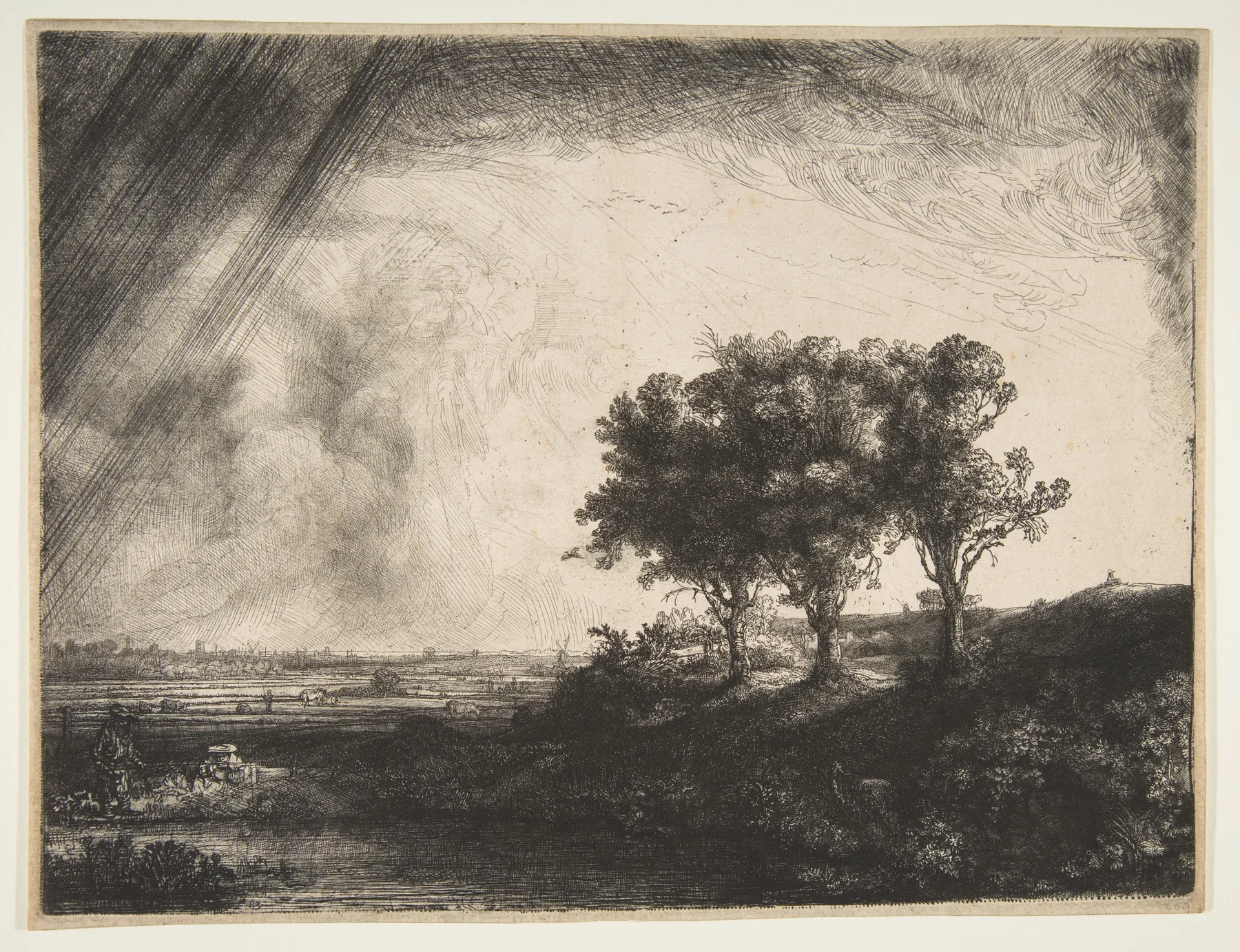
"I like it" and "it's collectible" answer two different questions, and confusing them is the single most common misstep when a family tries to work out what a piece of art in their home is actually worth pursuing further. A print can be beautifully made, correctly framed, and worth no more than it cost to produce, while a plainer-looking piece by a different maker carries real market value because of factors that have nothing to do with how attractive either one is.
Edition Size and What It Actually Tells You
Most prints in circulation fall into one of two broad categories, and knowing which one a piece belongs to matters more than almost anything else. An open edition has no fixed limit on how many copies exist, as with an offset lithograph or a giclee reproduction printed on demand; the image is a reproduction of an original, produced mechanically, and its value tracks decor and framing quality more than art market demand. A limited edition, by contrast, is printed in a fixed, stated run, typically hand-numbered in the margin as a fraction such as "24/250," with the plate, stone or screen destroyed or defaced afterward so no further copies can be made. Scarcity created this way is real and verifiable, unlike scarcity implied by marketing language on an unlimited reproduction.
Artist's proofs are marked "A.P." instead of a number. They are a small set of impressions kept outside the numbered edition, traditionally for the artist's own use, and they are a legitimate and long-standing part of printmaking practice rather than a red flag. What does matter is consistency: an edition number, a plate size and a paper stock that all match the way a particular publisher or printmaker is known to have worked support a piece's stated status, while a "limited edition" claim with no stated edition size printed anywhere on the piece is a claim with nothing behind it.
Photography and sculpture follow the same logic with their own vocabulary. A contemporary photograph issued in an edition of fifteen with its own reserved artist's proofs is collectible in the same structural sense as a numbered print; a photograph printed on demand with no stated edition size is closer to decorative reproduction, whatever the image itself depicts. A bronze cast in an edition of eight behaves the same way, with each cast individually numbered against the total, while an unmarked, mass-produced resin or composite figure sold as "bronze finish" is a different category of object entirely, regardless of how convincing it looks on a shelf.
Reputation and a Documented Market
In the sense that matters for collectibility, an artist's reputation is not the same as talent or renown within a local community. It means a documented market: gallery representation, inclusion in institutional or museum collections, a track record of works reselling at auction, or coverage in published catalogs and art historical scholarship. Two painters can be equally skilled, but only one of them may have a secondary market where a buyer can look up comparable past sales and form a reasonable expectation of value. Without that documented market, a work is priced almost entirely on what a specific buyer is willing to pay at a specific moment, which is a real value but a much less predictable one.
Demand Is Measured, Not Assumed
Real market demand shows up in verifiable places: recorded results at auction houses that deal in the artist's category, active gallery representation, and prices that hold up across multiple sales rather than a single high result that never repeats. A piece can be rare in the literal sense of being one of very few in existence, and still have thin demand if almost no one is actively buying in that category. Rarity without demand caps value just as surely as demand without scarcity does. This is different from personal or sentimental value, which is entirely legitimate on its own terms but does not transfer to a buyer who has no connection to the piece.
Reading the Difference in Practice
Put together, the practical questions worth asking about a piece of fine art are the same ones that separate decorative from collectible: is this an original or a reproduction, and if a print, is it from a stated limited edition or an open one; does the maker have a documented market that a buyer could independently verify; and is there evidence of actual recent demand for comparable work, not just an asking price someone once mentioned. None of those questions require guessing at aesthetic quality, and none of them are answered by how much a piece is liked by the people who own it.
Age plays a related but separate role in antiques, a parallel category where how age and condition affect an antique's value covers the same instinct: the assumption that older or well-worn automatically means valuable. That assumption holds up even less often than assuming a painting is collectible just because someone likes it. Back in Fine Art, the same discipline applies: treat attractiveness and collectibility as two separate questions, and answer the second one with documentation rather than instinct.