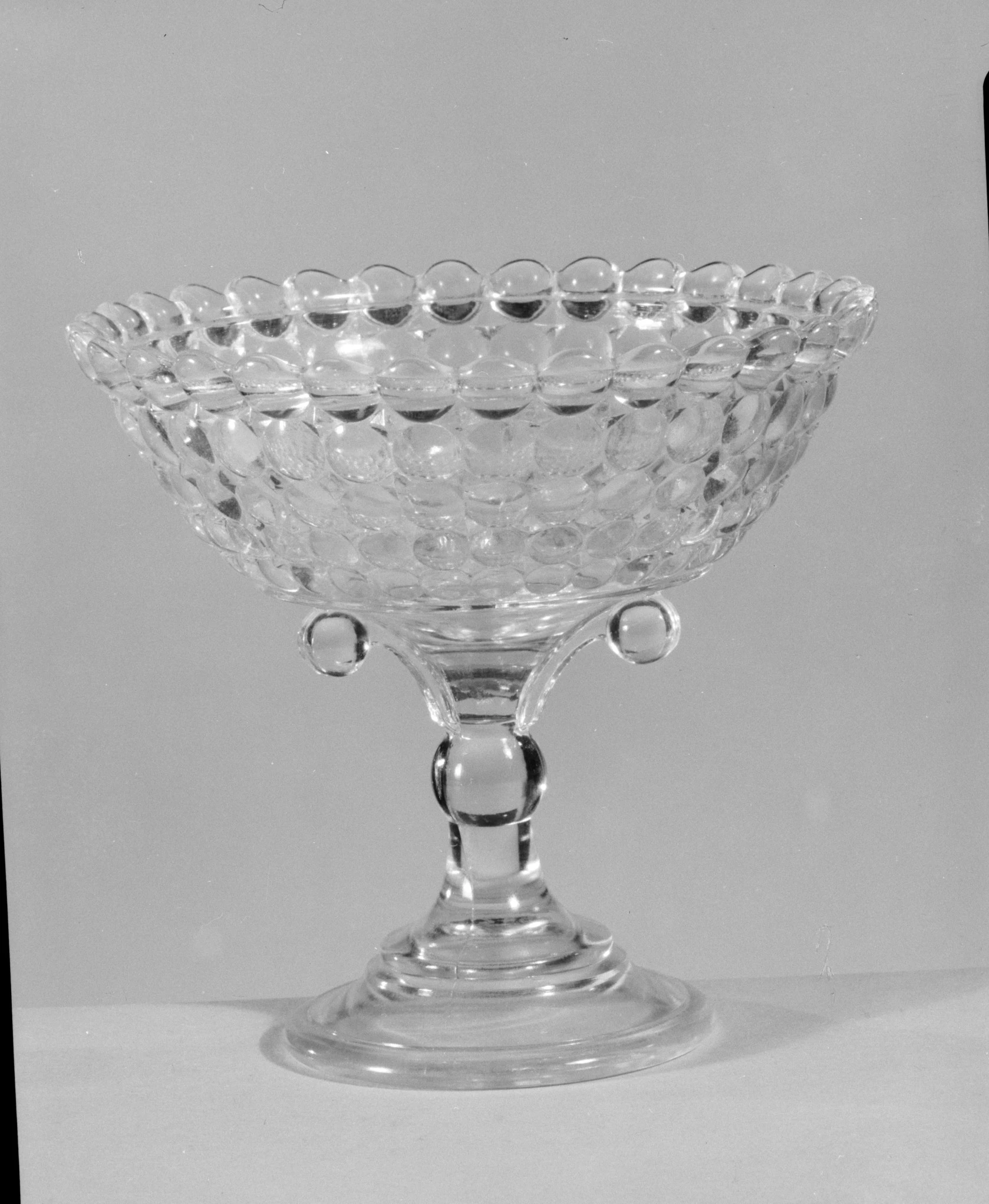
Age and condition are the two factors that come up in nearly every conversation about an antique's value, and they are also the two factors most often misjudged, usually because both get treated as if they only move a number in one direction. Age does not automatically raise value, and a rougher condition does not automatically sink it. Working through a couple of concrete cases makes clearer why both assumptions fail so often.
Why Age Alone Does Not Create Value
Value tracks supply and demand, not the calendar, and a great deal of what survives from the nineteenth century survives precisely because it was made in enormous quantities. An object can clear the traditional hundred-year threshold for "antique" status and still be common enough that almost nobody wants to pay a premium for one more example. The reverse is just as real: an object made only a few decades ago and well short of that threshold can be genuinely scarce if only a small run of it was ever produced or if most of what was made has since been lost, discarded or destroyed.
A Concrete Case: Old but Common
Pressed glass tableware from the late nineteenth century is a clear example of the first problem. Glass factories in the Ohio River Valley turned out patterns like Daisy and Button or various forms of pattern glass by the tens of thousands of pieces during the 1870s and 1880s, using molds that let a single factory produce identical pieces at high speed and low cost. That glass is genuinely antique by any reasonable measure, well past a century old, made using a documented period technique, and often in good surviving condition simply because glass is durable and was cared for as good tableware. None of that changes the basic arithmetic: thousands of matching pieces survive in circulation, so a single goblet or compote from a common pattern routinely sells for a modest sum, regardless of how correctly antique it actually is.
A Concrete Case: Recent but Scarce
Set against that, consider a small run of studio pottery from a specific glaze test batch, made by a working potter trying a new formula on a handful of pieces before either adopting or abandoning it. That pottery might be only a few decades old, nowhere near meeting the traditional antique threshold, and it may look, at a glance, less obviously "collectible" than a piece of ornate Victorian glass. But if only a handful of pieces from that test batch were ever made, and fewer still survive intact, genuine scarcity is doing real work here in a way sheer age never did for the mass-produced Victorian glass above. A short discontinued production run from a factory that closed shortly after follows the identical logic, and so does a maker's own experimental piece kept aside rather than sold. Both are recent, rare, and valued accordingly.
Checking Scarcity Instead of Guessing
The instinct to trust age over evidence is understandable, since age is visible at a glance and real scarcity is not. Checking scarcity properly means looking past the object itself to records of what has actually changed hands recently: completed auction results for comparable pieces show what buyers have genuinely paid, while asking prices in listings show only what a seller hopes to get. Specialist collector forums and reference guides for a specific category often document known production runs, discontinuation dates, and how many examples are known to survive, which turns a guess about rarity into something closer to a checkable fact. Those references exist for pattern glass, for individual pottery studios, and for a factory's production line. A factory closure, a discontinued glaze formula, or a design pulled from production after a short run are all the kind of concrete, datable events that create real scarcity, and they are worth asking about specifically rather than assuming from an object's general age or style.
How Condition Interacts With Both
Condition complicates this further rather than settling it. A very old piece that has been heavily restored, repainted, or had damaged sections replaced can end up less desirable to a serious collector than an honest, unrestored piece that is somewhat newer, because collectors frequently value an object's original surface and original parts over an object's raw age. A chip on a ceramic rim, a crack in glass, a replaced finial on a piece of hollowware, or a refinished surface on furniture that stripped away original patina all lower a piece's standing in ways that interact with age rather than simply stacking on top of it. An old piece in poor, heavily altered condition and a newer piece in honest, original condition are not automatically ranked by age alone; each has to be judged on its own combination of scarcity and condition together.
Provenance is the documented ownership history behind a piece, and it is a related factor that can shift value in a similarly counterintuitive way. How provenance changes a collectible's value covers that dynamic across collecting categories more broadly. Back inthis site's Antiques coverage, the practical habit worth keeping is the same one this article has walked through twice: check actual scarcity and actual condition before assuming age has already answered the question on its own.