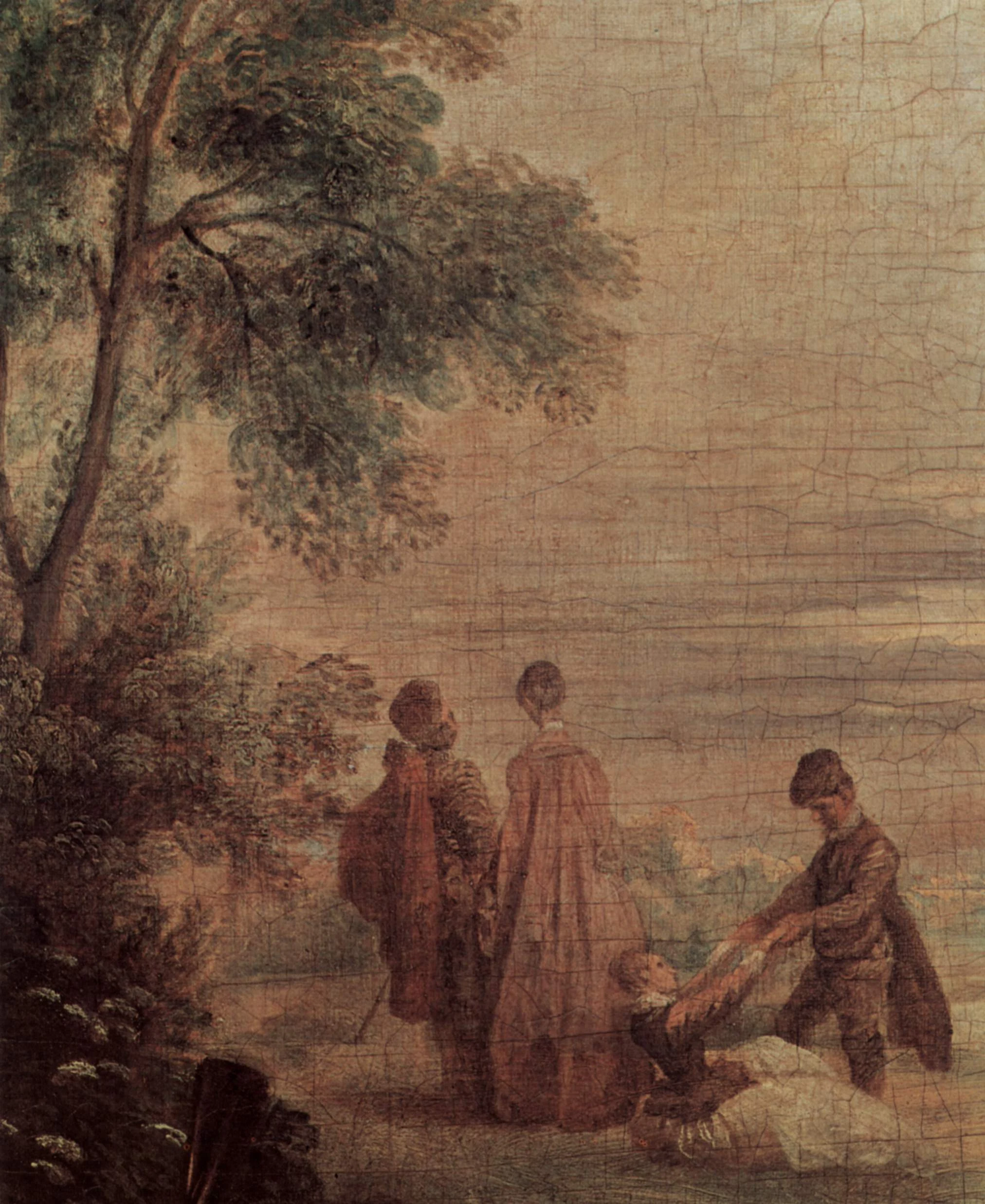
A reproduction is an honest copy never meant to deceive anyone. A forgery is made specifically to pass as something it is not. Both turn up across every category this site covers: paintings, furniture, silver, coins and jewelry alike. What follows is a set of general warning signs worth learning, the kind of thing that should prompt a closer look and a better question rather than an immediate conclusion either way. None of it is a substitute for a qualified professional's direct, hands-on examination, and this article says that plainly now rather than leaving it implied: anything a reader suspects carries real value deserves that examination before any decision gets made about it, regardless of how confident these general signs make anyone feel on their own.
Tool Marks: What Made the Object Actually Leaves a Trace
Every manufacturing method leaves its own physical signature, and that signature is one of the more reliable general clues available, precisely because it is hard to fake convincingly. A piece of furniture or silver claimed to be entirely hand-tooled but showing perfectly uniform, machine-regular marks is worth a second look, since genuine hand work from any era carries small irregularities that a period craftsperson's hand naturally introduces and a machine does not. A cast reproduction of a metal object often carries a telltale seam line where a mold's two halves met, something an object actually forged or engraved by hand never shows. On coins specifically, a genuine struck coin carries the particular texture that a metal die pressed under real force leaves behind, while a cast counterfeit often shows a softer, less crisp surface and sometimes a faint seam around its edge where a mold was joined. None of these signs alone proves anything conclusively; a legitimate later repair or an unusual production method can sometimes explain an odd tool mark too, which is exactly why this stays a prompt for closer questions rather than a verdict.
Material Anachronisms: When the Materials Do Not Match the Claimed Date
An object claiming to be older than its materials allow is one of the more checkable red flags available, when the check is done by someone who actually knows the relevant material history. A textile or a document using a synthetic dye or a paper-making process not yet invented at the claimed date cannot genuinely be as old as claimed, regardless of how convincing it otherwise looks. A piece of furniture or a decorative object incorporating a plastic, an adhesive, or a fastener type that did not exist commercially until well after its claimed period raises the same question. Coins present their own version of this problem: a coin's metal composition, weight and diameter followed real, documented standards for a given mint and period, and a piece that departs meaningfully from those known standards for its claimed origin is worth specialist scrutiny before anyone accepts the attribution at face value.
A Patina That Looks Too Even to Be Real
Genuine age wear is uneven by nature, because real handling over real decades never touches an object equally everywhere. A drawer pull, a coin's highest design points, or a chair arm that generations of hands actually rested on wears down and picks up wear-toning faster than a recessed or rarely touched area of the same object, and that unevenness is itself a sign of plausible genuine age. A surface that looks uniformly aged everywhere at once tends to look too consistent once compared side by side with an object that actually aged slowly and unevenly through ordinary use. That kind of uniform aging is often the result of a single applied treatment rather than real time passing. A chemical patina, artificial tea-staining or a deliberately distressed finish can each produce it. Recognizing that difference takes practice and familiarity with a specific category, which is exactly the kind of judgment a specialist brings and a general warning sign like this one cannot fully substitute for on its own.
Other General Cues Worth Noticing
A few less technical signals are also worth paying attention to alongside the physical ones above. Documentation deserves the same scrutiny as the object itself. A genuine ownership history, certificate or origin story usually carries small rough edges and gaps of its own; one that arrives too complete and too convenient is itself worth questioning. A price that sits well below what a genuine example of that category and quality would reasonably command is worth questioning rather than treating purely as good fortune. A seller unwilling to allow closer examination, an independent second opinion, or a reasonable return window if authenticity is later disputed is itself a signal worth weighing carefully, separate from anything about the object.
What This Article Cannot Do
Every sign above is a prompt for a better question, not a verdict, and this article is not equipped to authenticate anything, nor is any general guide like it. A genuine object can occasionally show something unusual for a perfectly innocent reason, such as a repair, an unusual production run, or simple wear that looks odd out of context. A skilled reproduction, meanwhile, can pass a casual glance without tripping any of the signs above. Anything a reader suspects carries real value should go to a qualified appraiser, conservator, or category specialist for direct, hands-on examination before any decision is made about buying, selling, or insuring it. That recommendation holds regardless of how many of the signs above an object does or does not show.
Tool marks specifically are worth taking seriously as a category of evidence, and ancient coins as historical objects and sculpture reads that same kind of physical craft evidence from a different angle: it treats die-engraving as sculpture in its own right and reads a coin's imagery to date and attribute it, the same habit of close physical examination this article applies to spotting a reproduction. Documenting provenance, photographing carefully and looking closely at how an object was actually made are the other habits Collecting Guides walks through, and all of them work toward the same goal: knowing enough to ask a specialist the right question, not replacing the specialist.