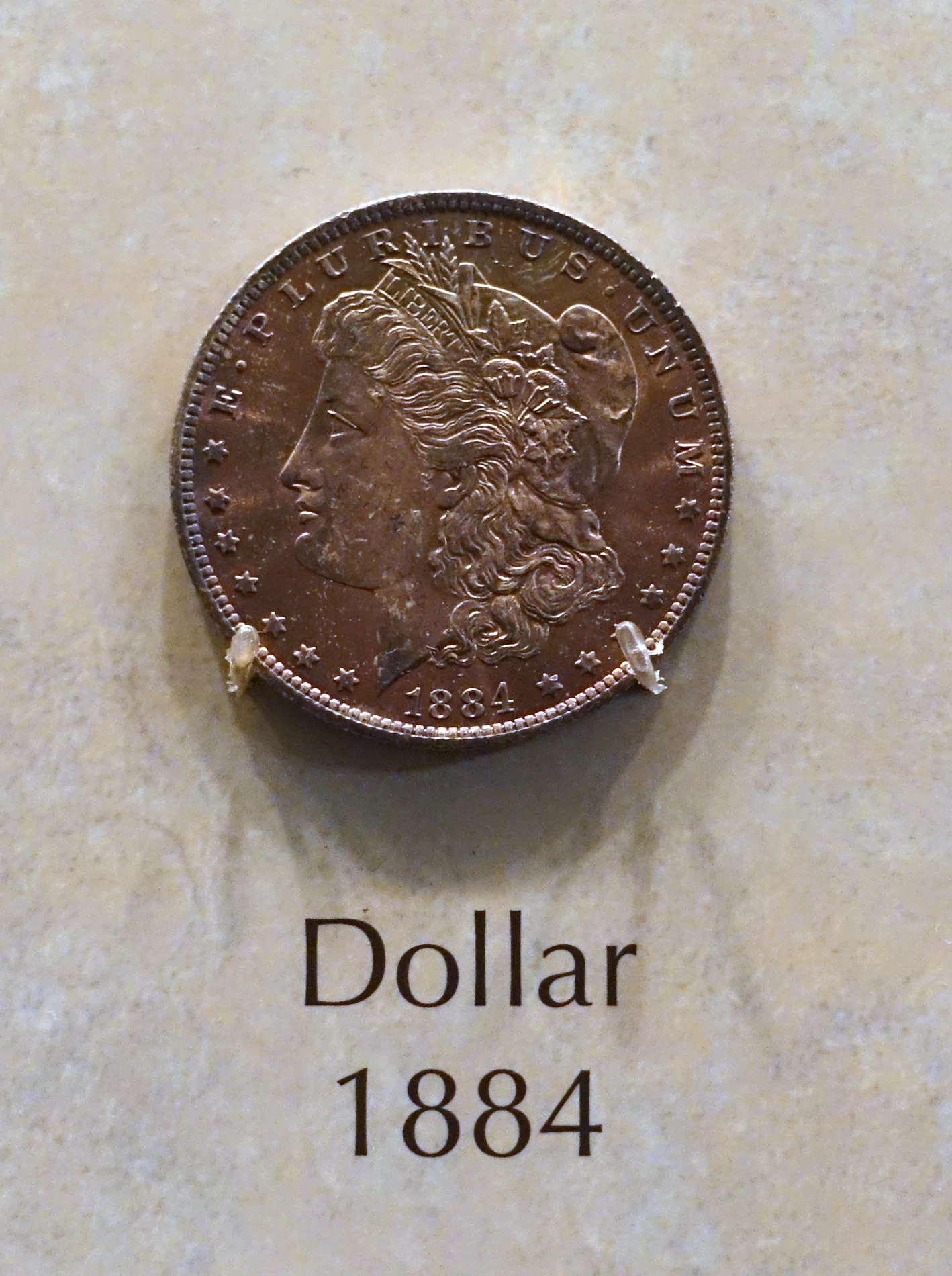
Every coin struck in gold, silver or another precious metal has a metal value, sometimes called melt value: the market price of the metal it contains, calculable at any moment from current spot prices and the coin's known weight and fineness. Factors that have nothing to do with the metal itself can push a coin well above that figure, occasionally by a very large margin. Knowing what silver or gold is trading at on a given day is a separate skill from working out which category a given coin falls into and why.
What Bullion Value Actually Measures
Bullion value is the simplest number attached to any precious-metal coin, because it depends on only two things: how much of the metal the coin actually contains, and what that metal is trading for. Fineness means how pure the metal is. A coin's fineness and its weight are usually fixed and well documented for any given series, which is why bullion value can be calculated for almost any precious-metal coin regardless of its age, condition or history. Modern bullion coins are struck specifically to hold and trade a known quantity of metal, and they are designed around this calculation directly. For those coins, metal content is close to the whole story, and that is a perfectly legitimate way to hold precious metal. It is simply a different subject from the one this section is generally about.
What Moves a Coin Above Its Metal Content
Collectible value departs from bullion value when a coin becomes desirable for reasons a melt-value calculation cannot capture. Rarity is the most obvious of these: a coin struck in smaller numbers can be genuinely scarce today regardless of how common the metal in it is, and so can one where most surviving examples were later melted down, withdrawn from circulation or simply lost. Mintage figures are the number of coins a mint actually struck in a given year and denomination. They are recorded in mint reports and are one of the first things a serious collector checks, because a low mintage figure is a concrete, checkable fact rather than an impression.
Condition is the second major factor, and numismatics has formalized it more rigorously than most collecting fields, through numeric grading scales such as the Sheldon scale, which runs from 1 for a coin barely identifiable through wear up to 70 for a coin showing no wear at all under magnification. Two coins of the identical date, mint and design can carry very different standing once graded, because surface preservation, strike quality and the absence of marks or cleaning damage all factor into where a coin lands on that scale. This is also exactly why cleaning a coin does lasting damage, a point discussed in more detail elsewhere in this section: it alters the surface in a way professional graders are trained to detect, and a cleaned coin is graded and regarded differently from an untouched one regardless of how the cleaning was intended.
Demand within a specific collecting area is the third factor, and it moves somewhat independently of both rarity and condition. A coin can be objectively scarce and still attract relatively little collector interest if its series has a small following, while a coin from a widely collected series with an active reference-book tradition and an established collector base can command sustained interest even at moderate rarity, simply because more people are actively looking for it. Historical significance adds a further layer on top of all three: a coin tied to a documented historical event, a design change, or a well-known error in production can draw interest that a plain rarity-and-condition analysis alone would not predict.
Why the Two Values Can Diverge Sharply
These factors compound rather than simply adding together, which is why collectible value and bullion value can end up far apart for coins that look superficially similar. Even in excellent condition, a common date-and-mint combination in a widely produced series may carry little premium over its metal content, because ordinary supply and demand within that series keep it close to bullion pricing. A scarce date within that same series can carry substantial collector interest independent of the metal market entirely, because rarity and demand are doing the work rather than the coin's silver or gold content. That holds true even when the scarce date is struck in the same metal and denomination as the common one. Neither outcome says anything about the coin's metal purity; both are entirely a function of the factors described above.
Checking These Factors Instead of Guessing
None of the factors above require special equipment to start investigating. Mintage figures for most historical series are published in standard numismatic reference catalogs, and for many countries in the mint's own archived production records. Third-party grading services examine a coin under standard conditions and assign it a numeric grade on a scale like the one described above, sealing it in a tamper-evident holder along with that grade, which gives a documented, independent assessment of condition rather than a private opinion. Specialist reference books for a particular series or country typically note known key dates, documented rarities and common counterfeits or alterations to watch for, turning what might otherwise be a guess about a coin's standing into something closer to a checkable fact.
Antique silver raises a closely related version of this same question outside coinage entirely, since a piece can be worth its silver content, its collectible and maker-attributed value, or somewhere between the two depending on rarity, condition and demand within that specific category, and antique silver collecting basics works through that parallel in detail. Back within this site's Coins & Currency coverage, the practical habit worth keeping is the one this article has built toward throughout: check rarity, condition, documented mintage and demand within the specific series before assuming a coin's value starts and ends with the metal it happens to be made of.