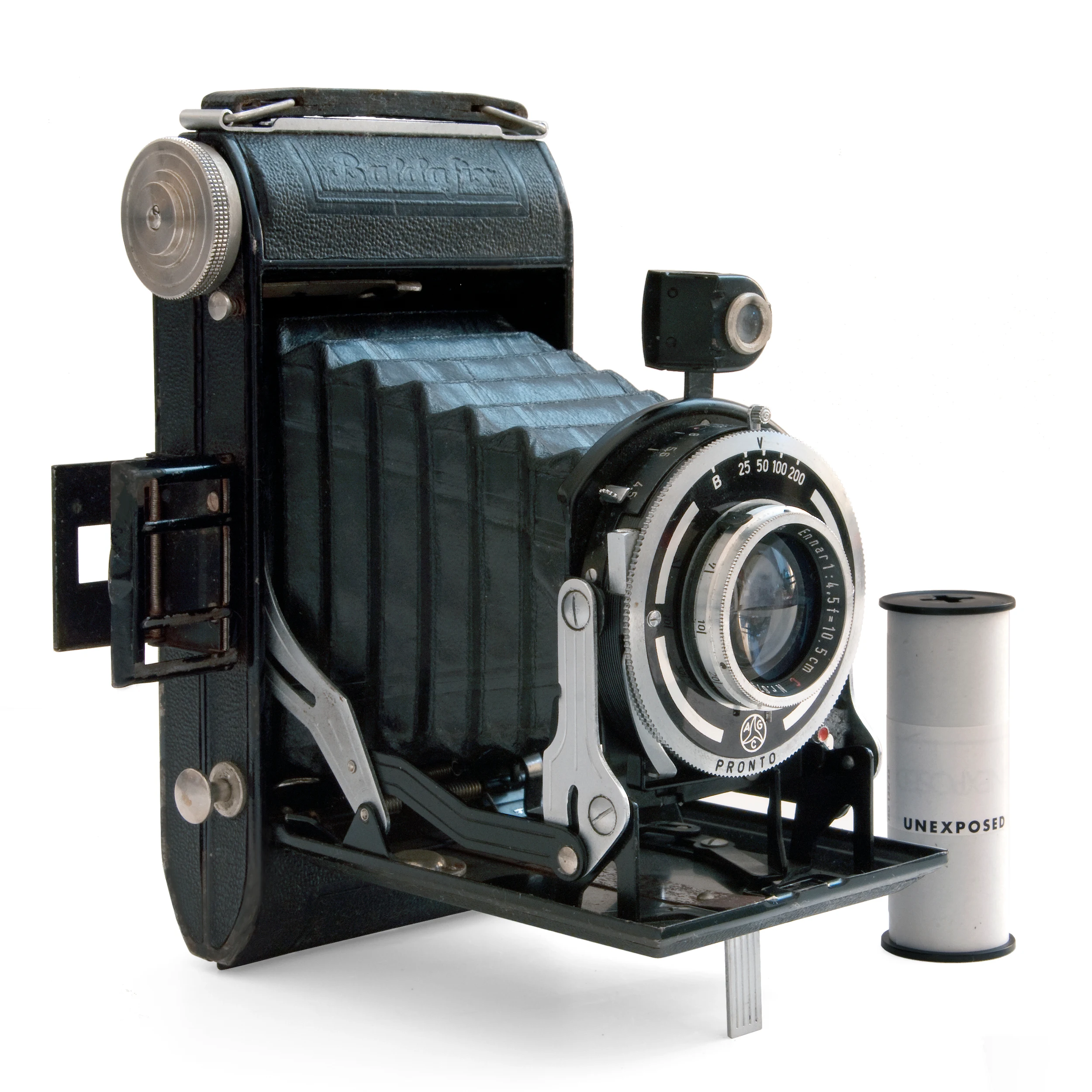
A good photograph of a collectible does two jobs a bad one cannot: it lets someone who has never held the object judge its condition accurately, and it creates a record that still means something years later, whether that record ends up in front of an insurer, an appraiser or a buyer. None of this requires professional equipment. A modern phone camera is entirely adequate for every purpose this article covers, provided some attention goes into the light and the background behind the object.
Lighting
Even, diffused light is the single biggest factor separating a usable photograph from one that misleads. Overcast daylight near a window gives even coverage without harsh shadows or blown-out highlights. A large window with a sheer curtain softening direct sun does the same job. Direct on-camera flash is worth avoiding almost entirely. It flattens surface texture that actually matters, such as brushwork on a painting or engraving on a coin or hallmark. It also creates a hot glare on anything reflective, including glass, polished silver and gemstones. Metal, glass and glazed ceramics are the hardest surfaces to photograph well for exactly this reason; angling the object slightly away from a light source instead of photographing it dead-on usually removes most of the glare that a straight-on shot cannot avoid.
Backgrounds
A plain, neutral background does more for a photograph's usefulness than almost anything else short of lighting itself. A sheet of matte grey, black or white card or fabric that is large enough to fill the frame around the object removes visual clutter that competes for attention and makes color and edges read accurately. Busy patterned surfaces, reflective tabletops and cluttered rooms in the background all make an object harder to judge at a glance. For anything headed toward a sale listing specifically, that same clutter also just looks less professional than a clean plain backdrop costing almost nothing to arrange.
Photographing for Insurance or Appraisal
A photograph meant for an insurer or an appraiser has one job: document exactly what the object is and exactly what condition it is in, without flattering it. That means a full, well-lit overall shot from a straight angle, followed by close, sharp shots of anything an appraiser would want to see directly: a signature or maker's mark, a hallmark, a chip, a repair, a tear, or any other condition detail, however minor it looks. Including a ruler or a coin of known size in at least one frame gives a reliable sense of scale that a photo alone cannot always convey. An object's most attractive face is not the only side worth photographing either. Labels, inscriptions and repairs on the back or underside are often exactly what an appraiser or an insurer needs to see, and exactly what a casual photograph focused only on the front tends to skip.
Photographing for a Sale Listing
A listing photograph shares the same lighting and background discipline but serves a different purpose. It needs to show a prospective buyer exactly what they would be getting, as accurately and legibly as the photograph allows and without misrepresenting it in any way. Multiple angles matter more here than for an insurance record, since a buyer who cannot hold the object is relying entirely on the photograph to judge form, proportion and condition together. A chip, a repair or a replaced part still belongs in at least one honest frame. A listing photograph that hides a known condition issue is not a better photograph; it is a problem waiting to surface once a buyer sees the object in person or receives it. The goal is a photograph a buyer can trust, not simply one that looks impressive at a glance.
The inventory pass described in what to do after inheriting a collection covers a quicker first round of photography, meant mainly to record what exists. The more deliberate approach above is worth doing as a separate, later pass once there is time to set up proper light and a clean background for each piece. Whichever purpose a photograph ultimately serves, the same three habits carry it: accurate light, a plain background, and an honest record of exactly what the object is. That groundwork is what the rest of Collecting Guides builds on for storage and sale decisions alike.