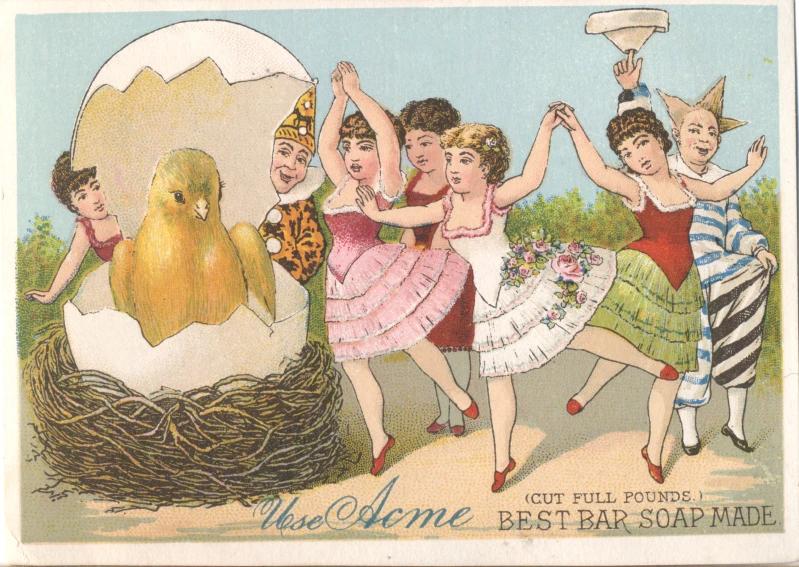
Vintage advertising and ephemera cover the material that most other antique categories quietly skip past: tins, signage, and printed paper made to sell a product or announce an event, not to be admired or kept. That original purpose was purely functional and usually short-lived, and it is exactly what makes the category behave so differently from silver, furniture or ceramics once it starts turning up in collections.
Tins and Advertising Containers
Lithographed tin was the dominant packaging technology for products like tobacco, spices, biscuits and patent medicines from the late nineteenth century through the mid-twentieth, printing full-color designs directly onto sheet metal before it was stamped into a container shape. That printing process produced sharp, durable graphics, but the tin underneath rusts, dents and chips its enamel with ordinary handling and storage, which is why grading in this category is unusually strict compared with sturdier antiques. With corners intact and color unfaded, a tin surviving in near-mint condition commands a disproportionate premium over a worn example of the exact same design and the exact same rarity, because so few tins from any given production run survive that well.
Porcelain and Tin Signage
Porcelain enamel signs were built up in fired glass layers over a metal base, a process that produced a durable, glossy finish but left the edges and any mounting holes especially prone to chipping, since those are the points where the enamel is thinnest and takes the most mechanical stress. Embossed tin signs were stamped with a raised design and printed rather than enameled. They held up somewhat better against chipping but faded more readily with sun exposure. Both categories share a genuine authentication problem: advertising signage became a popular decorating category decades after the fact, and reproductions have been produced in large numbers, some sold openly as reproductions and others not. Printing technique, the wear pattern around screw holes, and the specific way a genuinely old surface ages are the practical details worth checking before assuming a sign is what it claims to be.
Printed Ephemera
Trade cards are small illustrated cards distributed by nineteenth-century merchants the way a modern business might hand out a flyer. Along with die-cut advertising pieces shaped to match a product, and other printed materials like calendars and matchbook covers, they make up the paper side of this category. Paper is inherently more fragile than tin or porcelain, but the deeper issue is intent: almost none of it was made with any expectation of being saved. A trade card was meant to be looked at once and set aside, not preserved for a century. That means bare survival functions as its own form of rarity: an example simply existing in collectible condition at all is separate from how visually striking or well-known the original design was, and sometimes more significant than that.
How Grading Works in This Category
Advertising collectors use a grading vocabulary that reads finer than most other antique categories, precisely because condition carries so much weight here. A near-mint tin or sign shows essentially no rust, chipping, or fading, with color as close to the original printing as the object is ever likely to show. Excellent and very good grades allow progressively more visible wear: light edge wear or a small area of fading, then more noticeable chipping, minor rust spots, or a color that has dulled with age but remains fully legible. A tin or sign graded only good or fair shows heavy rust, significant paint loss, or dents that distort the printed design. It is still collectible if the specific item is rare enough, but the price gap between a near-mint and a good example of the same design is typically far wider than the equivalent gap in furniture or silver, where a comparable amount of visible wear costs much less of the object's standing.
Why Condition and Rarity Diverge Here
Most antique categories link production numbers fairly directly to survival: a well-made piece of furniture or a documented silver service was generally kept, cared for, and passed down specifically because someone valued it. Advertising and ephemera break that link. A tin, a sign or a trade card could have been produced by the thousands and still be genuinely rare today, because almost nothing about its intended use encouraged anyone to keep it. That gap is why condition swings value so much harder in this category than in most others: a scratch on an antique chest matters less to buyers than a dent on a tin of comparable design and comparable scarcity, simply because the chest was built to be used and shows expected wear, while the tin was never expected to survive being used at all.
Advertising material and ephemera surface in estates more often than families expect, tucked into drawers, attics or old boxes precisely because nobody thought to treat them as anything worth keeping deliberately, and what to do after inheriting a collection covers the practical first steps for exactly that situation across every category this site follows. Back in this site's Antiques coverage, the lesson from advertising and ephemera is worth carrying into every other category: never assume an object's rarity from how common the thing itself must once have been.